The following questions contain SPOILERS
Below are several questions that may assist in framing your book club conversation.
1. The Prologue of Load Bearing is told from the point of view of the Kormans’ realtor, Debbie, who simultaneously shows the Decker house to the Kormans and the Kormans to the reader. Why do you you think the author chose to open the story this way?
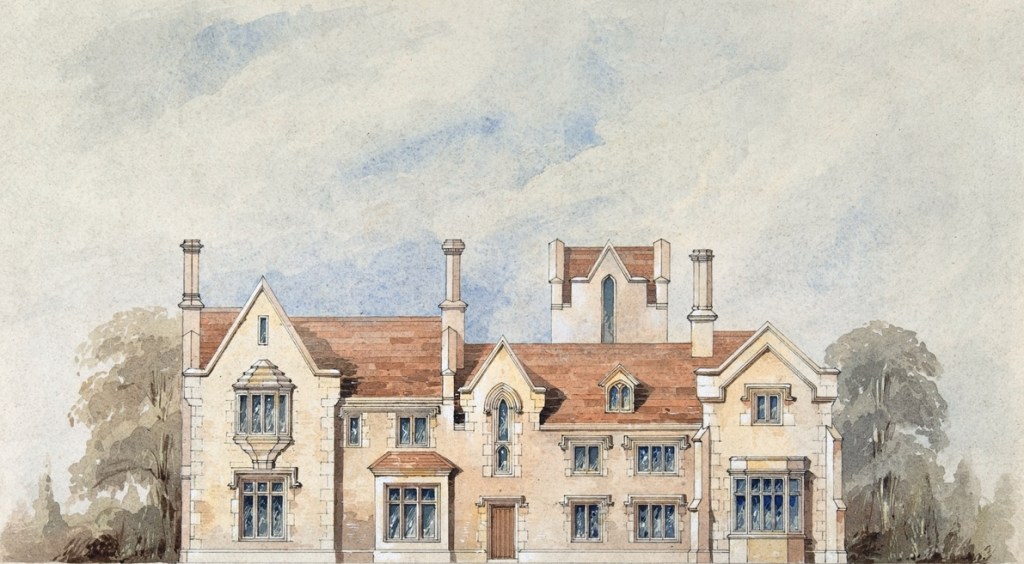
2. There are several important metaphors contained in the book that (hopefully) deepen the reader’s connection to the characters and their story. Some of those include, the Decker house, Hannah’s skill at cabinet-making, and the title of the book itself. What do these things represent and what do they tell us about the characters in the story?
3. How does the author make use of space to define and guide Hannah’s journey? How does space shape our own world? Are there spaces in this book and in our lives that are privileged, disvalued, gendered?
4. What is it about Andrew Decker that draws Hannah to him? In what ways are Hannah and Andrew similar to and different from each other? Does Hannah admire Andrew? Is she merely physically attracted to him?
5. When Mason dies, Hannah reaches a crisis point. What is it about her relationship with Mason that makes his death so hard for her? They hardly ever saw each other, communicated inconsistently by phone and text, and their conversations seem relatively short and superficial. Were they “close”?
6. Although Load Bearing is women’s fiction (centering Hannah’s story), there are several very important men in this novel, and they are all quite different from each other. How do Michael, Mason, Hannah’s grandfather, Jeremy, Gary, Connor, Jason, Jack, and, of course Andrew Decker, represent masculine qualities that are either supportive and/or destructive for Hannah? Are these men (any of them) “good men”? What makes them good or not?
7. As Hannah learns more about Andrew Decker’s marriage to Eleanor Dailey, she learns that her original impression of the Deckers is far from accurate. Why do you think the author wrote the Decker marriage as so deeply flawed (and ultimately broken)? Does this strengthen or weaken the overall story? Would it have been better to have the Deckers truly be “a couple for the ages” as Andrew Moore describes them? Would having a marriage to aspire to have helped Hannah fix her marriage with Michael?
8. How does this novel raise questions about the allocation of power within a marriage? How is power allocated in the Korman marriage? In what ways is power unequal?
9. Jane Hartsock is a Midwestern author, and this novel is set in the Midwest. In what ways is the novel itself Midwestern? How do you see Midwestern culture and norms represented? How might this story be different if it were set in New York City or Denver, Colorado?
10. At the end of the novel, Hannah tells Laura and Kate that she thinks she’s crazy. They tell her she’s not; she’s just lonely. Are they right?
11. What role do Laura and Kate play in protecting and healing Hannah? What does this say about the importance of women’s friendships?
12. In the scene in the blue room after the Founders Day Party, is Hannah fantasizing, dreaming, experiencing psychosis, or does Andrew Decker’s ghost actually visit her?
 Hartsock books